Stress Reduction and Emotional Calm
Crafting offers a powerful blend of mental and emotional wellness benefits, making it far more than a simple hobby. Research shows that engaging in creative tasks can significantly reduce stress and promote calm. Repetitive, hands‑on actions help quiet the mind and lower cortisol levels, functioning much like meditation. This “flow state,” where attention narrows to the present moment, provides immediate stress relief and helps regulate emotions.
Mental‑Health Support and Emotional Resilience
Beyond stress reduction, crafting offers profound support for mental health. Creative activities stimulate the release of neurotransmitters such as dopamine and serotonin, which boost mood and diminish symptoms of anxiety and depression. For individuals with PTSD, insomnia, or chronic pain, crafting has been shown to ease symptoms and provide a sense of control and peace during difficult periods. The combination of purpose, achievable steps, and sensory engagement creates a therapeutic experience that fosters emotional resilience. Even simple projects like knitting or painting‑by‑numbers can provide measurable improvements in mental well‑being.
Cognitive Benefits and Brain Health
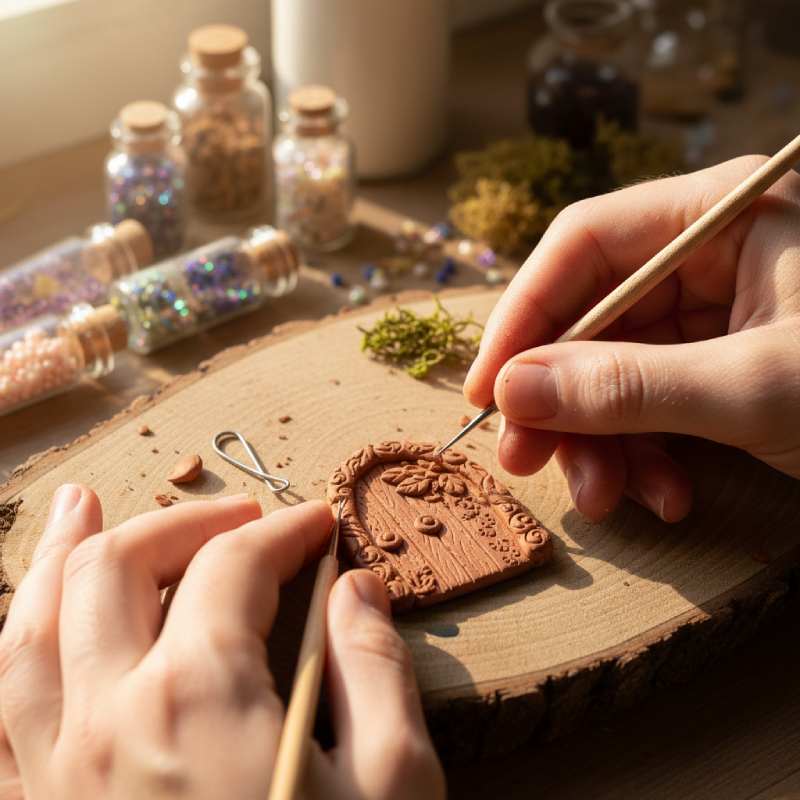
Crafting also strengthens cognitive health. Activities that involve planning, measuring, fine motor skills, and problem‑solving stimulate the brain and help maintain cognitive flexibility. Studies have linked regular crafting to improved memory, heightened focus, and a reduced risk of cognitive decline as people age. Engaging the hands and mind simultaneously builds neural pathways and supports long‑term brain health. Certain crafts, such as sewing, woodworking, or assembling detailed craft kits, offer sustained mental engagement that can preserve cognitive sharpness well into later life.
Community, Connection, and Social Well‑Being
Finally, crafting carries significant social benefits. Craft circles, classes, and community events create opportunities to connect with others, reducing loneliness and building supportive friendships. Shared creative experiences encourage collaboration, conversation, and a sense of belonging. Social crafting environments can enhance happiness, improve quality of life, and serve as a meaningful outlet for expression. These connections, paired with the intrinsic satisfaction of making something by hand, demonstrate that crafting supports both personal well‑being and communal bonds, making it a valuable practice for people of all ages.
Whether you craft for relaxation, friendship, wellness, or fun, our Whichcraft? section is the perfect place to find fresh inspiration.