If you love getting hands‑on, slowing down, and making something meaningful, dot painting is a beautiful technique to discover in a craft workshop. At first glance it may look decorative, but dot painting is deeply rooted in story, place, and tradition. For many people, learning it feels less like “trying an art style” and more like stepping into a shared human practice of mark‑making, pattern, and connection.
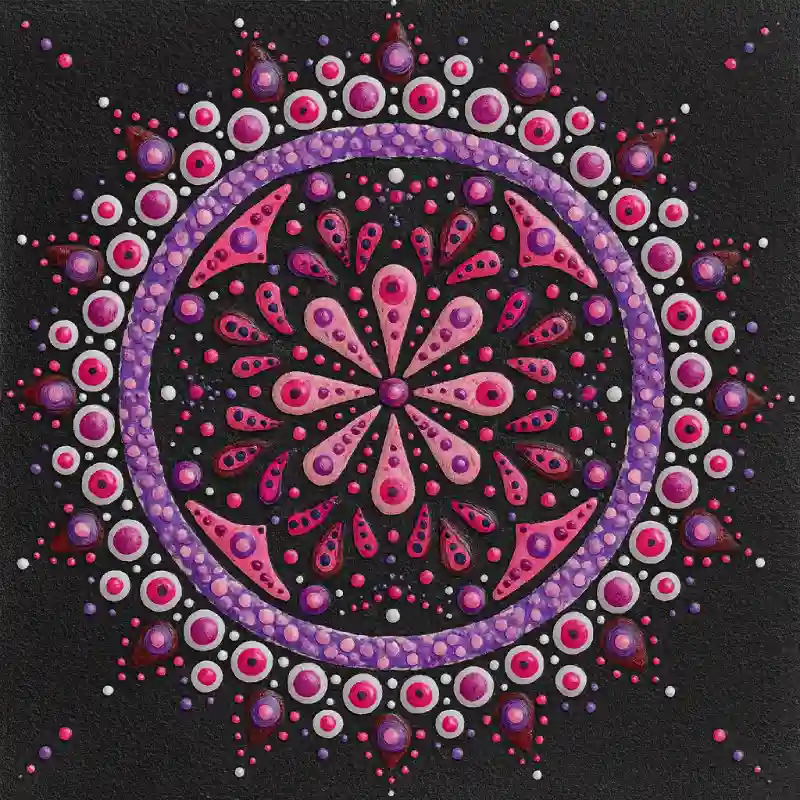
Where does Dot Painting come from?
Dot painting is most widely associated with Aboriginal Australian art, where it forms part of an ancient visual language used to communicate stories, laws, and knowledge connected to the land. Long before paint and canvas, these symbols were drawn in sand, carved into rock, or painted onto bodies during ceremonies.
Each mark carried meaning. Patterns weren’t random or purely decorative, they were tied to ancestry, spirituality, and specific places. This makes dot painting an important example of a heritage craft, where skill, symbolism, and responsibility are closely intertwined.
How Did Dot Painting Become a Contemporary Craft Practice?
In the early 1970s, Aboriginal artists in the desert community of Papunya began translating traditional ground and body designs onto boards and canvases using acrylic paints. The use of dots also served a practical and cultural purpose: they helped obscure sacred elements so artworks could be shared publicly without revealing restricted knowledge.
This moment marked the emergence of contemporary dot painting as we recognise it today. It also showed how traditional techniques can adapt, survive, and thrive; an idea that resonates strongly with people seeking seasonal crafts and modern workshop experiences rooted in older ways of making.
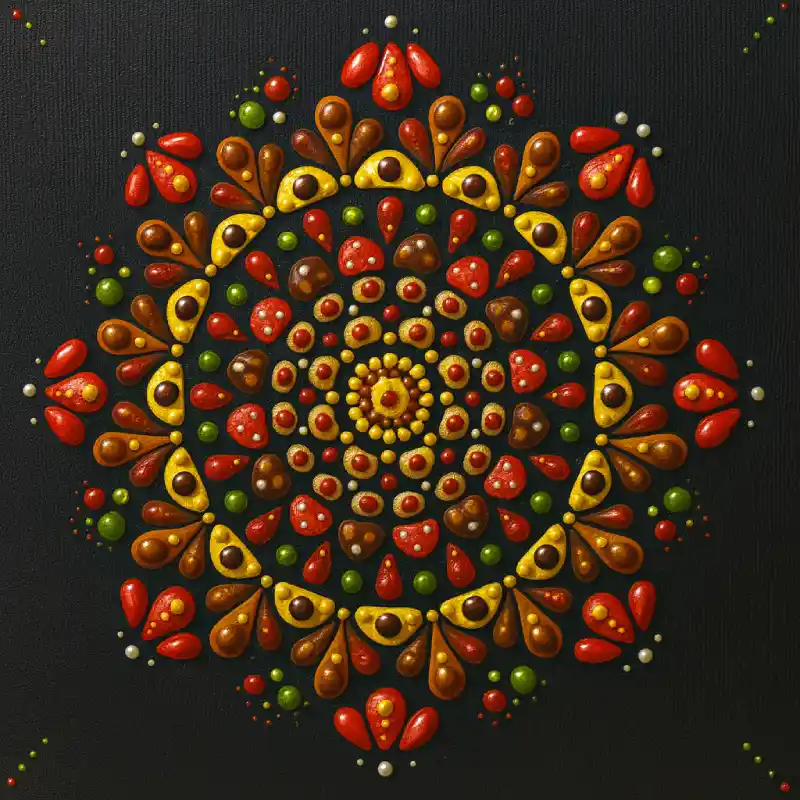
Why is Dot Painting so meaningful to learn?
For Aboriginal artists, dot painting became a powerful way to express identity, protect culture, and maintain connections to country and dreaming stories. Every colour choice, rhythm, and pattern reflects a relationship between people, their land, and their history.
For workshop participants, learning dot painting offers something equally valuable:
- A slower, mindful making process
- A deeper appreciation of cultural context
- A reminder that crafts can carry stories, not just surfaces
How Does Dot Painting Fit into Natural and Seasonal Crafts?
Dot painting pairs beautifully with natural crafts and seasonal crafts. The repetitive motion of dots can represent cycles found in nature: stones, seeds, stars, and growth patterns. In workshops, the technique can be explored using earthy colour palettes, natural inspirations, and seasonal themes such as solstices, harvests, or landscapes.
When taught with care and respect, dot painting also opens conversations about how cultures around the world have used pattern and symbol to understand their environments, making it a thoughtful addition to contemporary craft practice.
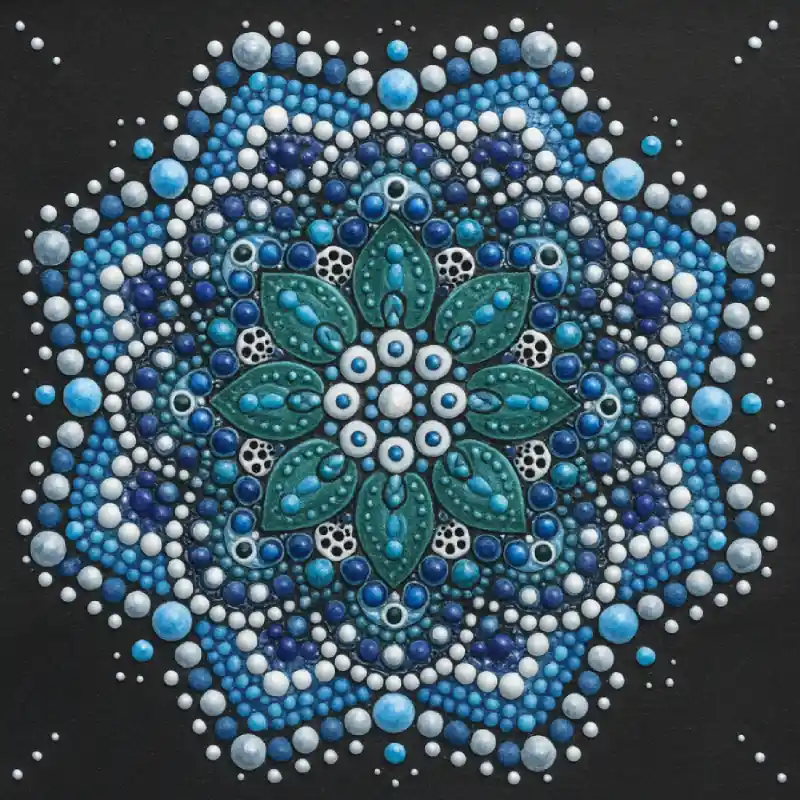
Is Dot Painting just a style, or something more?
While dot painting is now recognised globally and has inspired artists far beyond Australia, it’s important to remember that authentic Aboriginal dot painting is not simply a style. It is a living cultural practice grounded in community, knowledge, and responsibility.
In workshops, this means learning not just how to make dots, but why they matter, approaching the technique with respect, curiosity, and openness.
Ready to Explore Contemporary Dot Painting in Your Own Way?
If you’re drawn to craft workshops that combine creativity with meaning, contemporary dot painting classes offer a welcoming place to start. In these sessions, the focus is on learning the technique respectfully and then exploring how dot painting can be applied to cultural references from around the world.
Many people enjoy adapting the method to local stories and symbols, such as Celtic patterns, Cornish landscapes, and seasonal markers, creating work that feels personal while honouring the origins of the technique.
Join Pellars & Craftersfor a dot painting workshop to slow down, connect with a heritage craft, and explore how an ancient visual language can inspire modern, seasonal, and culturally grounded artwork.
DPN Tutor
Dot painting really does encourage you to slow down and focus on the here and now. Very good for the soul!